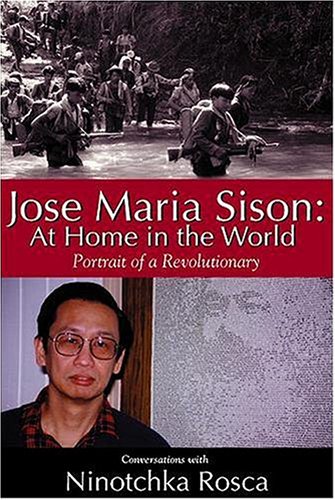
This political biography/autobiography offers a unique look into the political beliefs and motivations of Professor …
Ka Joma Lives!
5 stars
A must read for Filipino activists, and all people who desire to change the world. Ka Joma's life is full of lessons, and I'm grateful we have so many of his words to guide us.
A must read for Filipino activists, and all people who desire to change the world. Ka Joma's life is full of lessons, and I'm grateful we have so many of his words to guide us.
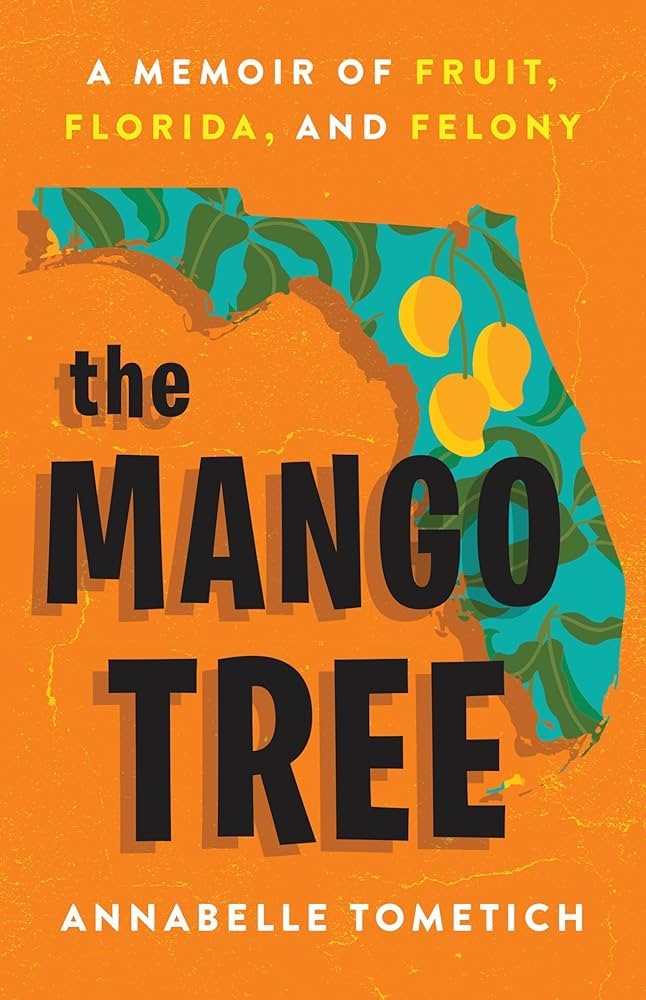
This “witty, humorous, and heartfelt“ (Cinelle Barnes) memoir navigates the tangled branches of Annabelle Tometich’s …
a book about me?
5 stars
it's weird reading a book about a half filipino growing up in florida, when I was a half filipino growing up in florida. It is a deeply confusing experience to know your family came from a place, and to have no knowledge of that place, and Annabelle articulated that so beautifully.
it's weird reading a book about a half filipino growing up in florida, when I was a half filipino growing up in florida. It is a deeply confusing experience to know your family came from a place, and to have no knowledge of that place, and Annabelle articulated that so beautifully.
No one is exempt from data mining: by owning a smartphone, or using social media …
An okay overview of surveillance in the us
3 stars
A bit liberal and reformist in its approach to the topic. However, this book offers an excellent overview of current surveillance practices, as well as evidence for why those surveillance practices don't accomplish their stated objectives.
With that said, this book doesn't offer an analysis on why surveillance and other counterinsurgency measures occur in this country. I would not recommend this book if you are looking for that deeper analysis.
A bit liberal and reformist in its approach to the topic. However, this book offers an excellent overview of current surveillance practices, as well as evidence for why those surveillance practices don't accomplish their stated objectives.
With that said, this book doesn't offer an analysis on why surveillance and other counterinsurgency measures occur in this country. I would not recommend this book if you are looking for that deeper analysis.
In an alternate 2020 timeline, Al Gore won the 2000 election and declared a War …
Hard to get into, but finished strong
3 stars
Going into the book, it was really hard to read the story through Maddie's voice. She was incredibly annoying, and reminded me a lot of being in university and meeting white college students who would "invade" local organizing spaces and center movements around themselves. I guess in a lot of ways, she reminded me of a younger version of myself that didn't know how to navigate my (relative) privilege in spaces, and maybe I'm embarrassed for that version of my self.
But somehow this story ended up resonating with me, and revealing a lot of the lessons that need to be learned if you want to try to make change in the world. This book felt very much grounded in Sim's own experiences in organizing, especially how large mass movements can be breeding grounds for conflicts between different (and often legitimate) tactics and approaches.
I think the book …
Going into the book, it was really hard to read the story through Maddie's voice. She was incredibly annoying, and reminded me a lot of being in university and meeting white college students who would "invade" local organizing spaces and center movements around themselves. I guess in a lot of ways, she reminded me of a younger version of myself that didn't know how to navigate my (relative) privilege in spaces, and maybe I'm embarrassed for that version of my self.
But somehow this story ended up resonating with me, and revealing a lot of the lessons that need to be learned if you want to try to make change in the world. This book felt very much grounded in Sim's own experiences in organizing, especially how large mass movements can be breeding grounds for conflicts between different (and often legitimate) tactics and approaches.
I think the book ends on a strong note, and it's a note that I have been reflecting on a lot. Simply, we all need to find joy in struggle, because we can't give up even in the face of staggering loss. The stakes are always gonna be high, and there needs to be a way to live joyously in spite of that.
On a warm March night in 2083, Judy Wallach-Stevens wakes to a warning of unknown …
It was okay and cute
3 stars
I wanted to like this book more. And the beginning and the ending were compelling and easy to get through. I really liked the ideas about decentralized systems that was part of the world building, and how technology and nature can exist in symbiosis.
That said, perhaps I wasn't a fan of the writing style? There was a family drama in the center of the story, but I did not find those conflicts to add a lot of meaningful tension to the overall story.
I wanted to like this book more. And the beginning and the ending were compelling and easy to get through. I really liked the ideas about decentralized systems that was part of the world building, and how technology and nature can exist in symbiosis.
That said, perhaps I wasn't a fan of the writing style? There was a family drama in the center of the story, but I did not find those conflicts to add a lot of meaningful tension to the overall story.
Why resisting climate change means combatting the fossil fuel industry
The science on climate …
Maybe better suited to newcomers
2 stars
My number one critique of this book is that it had so many opportunities to share and relate revolutionary movements throughout history to the climate movement, and it did not. Even worse, there were parts of the book that critiqued attacks on oil pipelines in the SWANA region that were connected to local anti-imperialist movements, without drawing the connection between anti imperialism and the climate movement (embarrassing, frankly).
That said, I think the book is a fine introduction to the idea that violence in the form of property destruction is a legitimate action to take, although I wish the book made a stronger case to the idea of armed resistance in the pursuit of national democracy and socialism. I also think the last chapter of the book was the strongest, since it offered good critiques of climate doomerism.
Anyway, I shouldn't be surprised lol, but whatever, it was …
My number one critique of this book is that it had so many opportunities to share and relate revolutionary movements throughout history to the climate movement, and it did not. Even worse, there were parts of the book that critiqued attacks on oil pipelines in the SWANA region that were connected to local anti-imperialist movements, without drawing the connection between anti imperialism and the climate movement (embarrassing, frankly).
That said, I think the book is a fine introduction to the idea that violence in the form of property destruction is a legitimate action to take, although I wish the book made a stronger case to the idea of armed resistance in the pursuit of national democracy and socialism. I also think the last chapter of the book was the strongest, since it offered good critiques of climate doomerism.
Anyway, I shouldn't be surprised lol, but whatever, it was fine.
Working at the local processing plant, Marcos is in the business of slaughtering humans —though …
Brutal for the sake of being brutal
3 stars
This book made me feel disgusted in a way that a book has never made me feel. It was really fascinating, and upsetting, and I'm glad it's over. I'm not a huge fan of the horror genre, so perhaps it wasn't for me. But, as brutal as this book was, and how clearly allegorical it was, it surprisingly did not have a lot to say beyond "imagine what it would be like if we had industrialized meat but made from humans". Maybe it did say something more than that (it did seem to touch on the topic of how we so easily can dehumanize others), but I didn't grasp it. ANYWAY, it was okay, thanks TikTok for the recommendation.
This book made me feel disgusted in a way that a book has never made me feel. It was really fascinating, and upsetting, and I'm glad it's over. I'm not a huge fan of the horror genre, so perhaps it wasn't for me. But, as brutal as this book was, and how clearly allegorical it was, it surprisingly did not have a lot to say beyond "imagine what it would be like if we had industrialized meat but made from humans". Maybe it did say something more than that (it did seem to touch on the topic of how we so easily can dehumanize others), but I didn't grasp it. ANYWAY, it was okay, thanks TikTok for the recommendation.