



xyhhx commented on Anarchist pedagogies by Robert H. Haworth
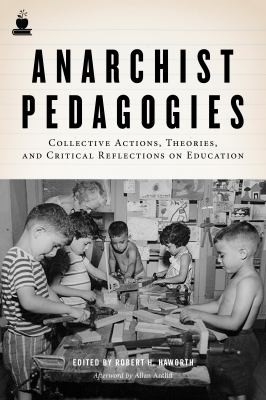
Education is a challenging subject for anarchists. Many are critical about working within a state-run …
the last two chapters focused on the anarchist free skool in toronto, and then a series of workshops hosted by a team including the other
the former analyzed the structure of the free skool, its ethos, and how it was reflected by the participants (who rejected the student/teacher paradigm). it also included in its appendix a short summary of some of the courses
the latter described the workshops ("radical education", and "trauma and privilege"): the goals, what went wrong, what was learned from them, and what could be worked on. incidentally, i think the author's own privilege coloured their attempt to create an open and safe space, which left them with a space that was "open but not free" (in their own words)
these chapters cited friere's pedagogy of the oppressed, illich's deschooling society, open spaces for dialogue and enquiry (and specifically andreotti's soft versus …
the last two chapters focused on the anarchist free skool in toronto, and then a series of workshops hosted by a team including the other
the former analyzed the structure of the free skool, its ethos, and how it was reflected by the participants (who rejected the student/teacher paradigm). it also included in its appendix a short summary of some of the courses
the latter described the workshops ("radical education", and "trauma and privilege"): the goals, what went wrong, what was learned from them, and what could be worked on. incidentally, i think the author's own privilege coloured their attempt to create an open and safe space, which left them with a space that was "open but not free" (in their own words)
these chapters cited friere's pedagogy of the oppressed, illich's deschooling society, open spaces for dialogue and enquiry (and specifically andreotti's soft versus critical global citizenship education - but don't go to the link in the index cause someone domain squatted it and now you'll just see a bunch ads for online casinos with hot korean girls and zeus from age of mythology (?????))