
xyhhx quoted Anarchist pedagogies by Robert H. Haworth
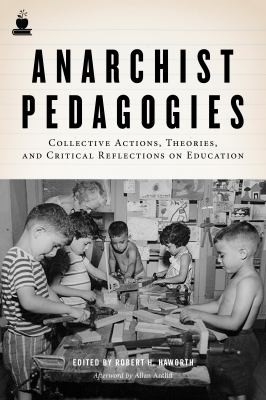
Education is a challenging subject for anarchists. Many are critical about working within a state-run …
Practicing Self-Management in the EverydayAt the core of Padeia's practice is enabling the children to take charge of their autonomy and practice self-management (Martín Luengo, 2006). From as young as eighteen months until they leave at sixteen years old, the students run the entire school in collaboration with the adults. Every aspect of school life is decided through assemblies attended by all. From organizing the lunch-time menu to planning the timetables, resolving personal conflicts to choosing what academic subjects to study, every detail is discussed and managed collectively without coercion or authority. As Martín Luengo explains: "They are free when they know what they want. It is so much simpler to be told what to do than being free. Passing on your responsibility to others is easy."
Due to the number of students who have returned from summer holidays with "tendencies towards dependence", as the adults call it, the school is temporarily under what is known as Mandado — which roughly translates as "to be ordered". It is a state of exception, sometimes applied to individual students but in this case applied to the entire school. As the students are seen to no longer be able to take the initiative to do things themselves and are asking the authority figures (the adults) what to do, they are mandado-ed, told what to do by the staff. This state of exception remains until the students decide to call for an assembly where they will discuss collectively whether they have returned to a state of freedom and responsibility. If there is a consensus for the Mandado to be lifted, then the school will return to normal and nobody will be told what to do anymore. "They need to re-find their anarchist values," concludes Martín Luengo. "It doesn't take long. No one likes being told what to do all the time. But if they want to be free, they have to fight for it."
— Anarchist pedagogies by Robert H. Haworth (Page 126 - 127)